ANNOUNCING NEW NCMIC SPONSORED SPEAKER
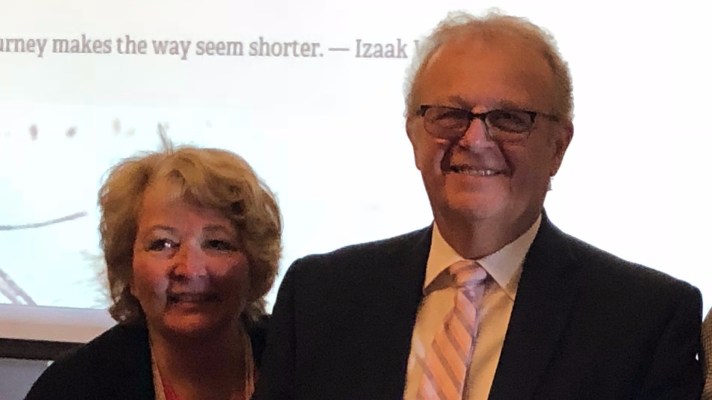
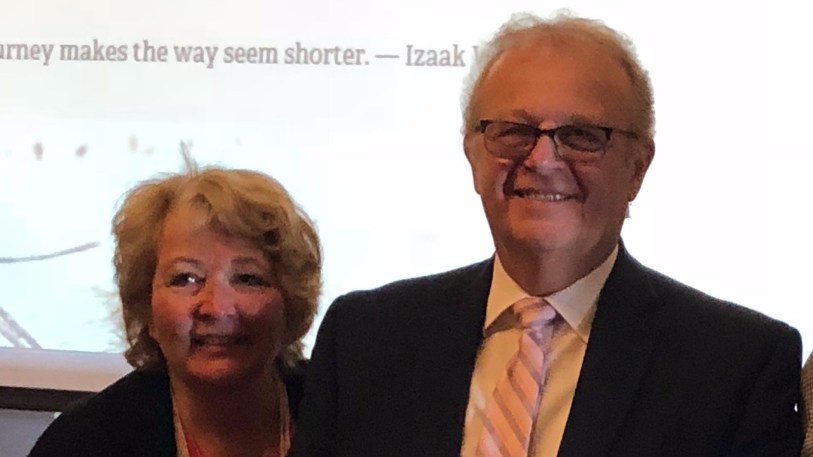
Dr Ventimiglia is an alum of New York Chiropractic College, Class of 1980. Upon graduation he established a private family practice, where for the past 39 years he has served the residents of Queens, NY.
He joined the NYCC faculty in 1986 as a Clinical Instructor and recently retired from the College as Dean of the Postgraduate and Continuing Education Department. Dr. Ventimiglia has lectured for the College’s postgraduate department at such distinguished venues as Harvard Medical School’s Divisions of Complementary and Alternative Medicine and Albert Einstein’s College of Medicine.
His current lecture topic focuses on Patient Communication and the impact the doctor’s words have on the patient’s clinical outcome. The lecture discusses the importance of the doctor’s cultural awareness and cognitive bias that influence disparities in healthcare. And finally, the doctor is introduced to a communication style and skills (Motivational Interviewing) that can be used to guide the patient toward making healthy behavior choices. Classes range from 6 hours to 12 hours and he is sponsored by NCMIC. As a sponsored speaker, NCMIC covers his travel as well as his speaking fee and members who attend, can get a discount on their insurance premiums. Motivational Interviewing is an excellent way to establish rapport, connection and influence with your patients.
Tom’s service to the profession includes past president of the New York State Chiropractic Association, Queens District, President of the Northeast Council on Chiropractic, and Chairman of the Association of Chiropractic College’s Subcommittee on Postgraduate and Continuing Education. In his service to our country, he received the US Army’s Distinguished Service Award for his service during the Vietnam Conflict: 1968-1970.
Contact NCMIC to secure him for your next convention or State meeting.
October NECC Meeting Action
Representative Neal will likely become the Chairman of the Ways and Means Committee of the House if the Democrats are victorious in the House of Representatives. This position will be key to the advancement of our Medicare initiative to recognize each state’s scope of practice. Congressman Neal has a rich history of supporting the chiropractic profession, and having the support of key legislators such as Congressman Neal is essential. Please consider on making a contribution to his campaign.
| Here’s How You Can Support Rep. Richard Neal |
The suggested contribution is $250; however, any contribution is appreciated.
|
D’Youville College Joins NECC!
I am pleased to announce D’Youville’s Administrative Assistant, Megan Dudziak, will be joining us in October for her first NECC meeting. Please be sure to give her a warm welcome.
Thomas R Ventimiglia, DC, FACC receives Distinguished Service Award
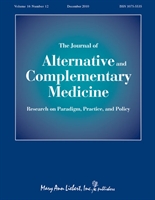
Association Between Utilization of Chiropractic Services for Treatment of Low-Back Pain and Use of Prescription Opioids: Journal of Alternative and Complementary Medicine:
Objective: Pain relief resulting from services delivered by doctors of chiropractic may allow patients to use lower or less frequent doses of opioids, leading to reduced risk of adverse effects. The objective of this investigation was to evaluate the association between utilization of chiropractic services and the use of prescription opioid medications.
Design: The authors used a retrospective cohort design to analyze health insurance claims data.
Setting: The data source was the all payer claims database administered by the State of New Hampshire. The authors chose New Hampshire because health claims data were readily available for research, and in 2015, New Hampshire had the second-highest age-adjusted rate of drug overdose deaths in the United States.
Subjects: The study population comprised New Hampshire residents aged 18–99 years, enrolled in a health plan, and with at least two clinical office visits within 90 days for a primary diagnosis of low-back pain. The authors excluded subjects with a diagnosis of cancer.
Outcome measures: The authors measured likelihood of opioid prescription fill among recipients of services delivered by doctors of chiropractic compared with nonrecipients. They also compared the cohorts with regard to rates of prescription fills for opioids and associated charges.
Results: The adjusted likelihood of filling a prescription for an opioid analgesic was 55% lower among recipients compared with nonrecipients (odds ratio 0.45; 95% confidence interval 0.40–0.47; p < 0.0001). Average charges per person for opioid prescriptions were also significantly lower among recipients.
Conclusions: Among New Hampshire adults with office visits for noncancer low-back pain, the likelihood of filling a prescription for an opioid analgesic was significantly lower for recipients of services delivered by doctors of chiropractic compared with nonrecipients. The underlying cause of this correlation remains unknown, indicating the need for further investigation. FULL PAPER HERE
 Northeast chiropractic Council